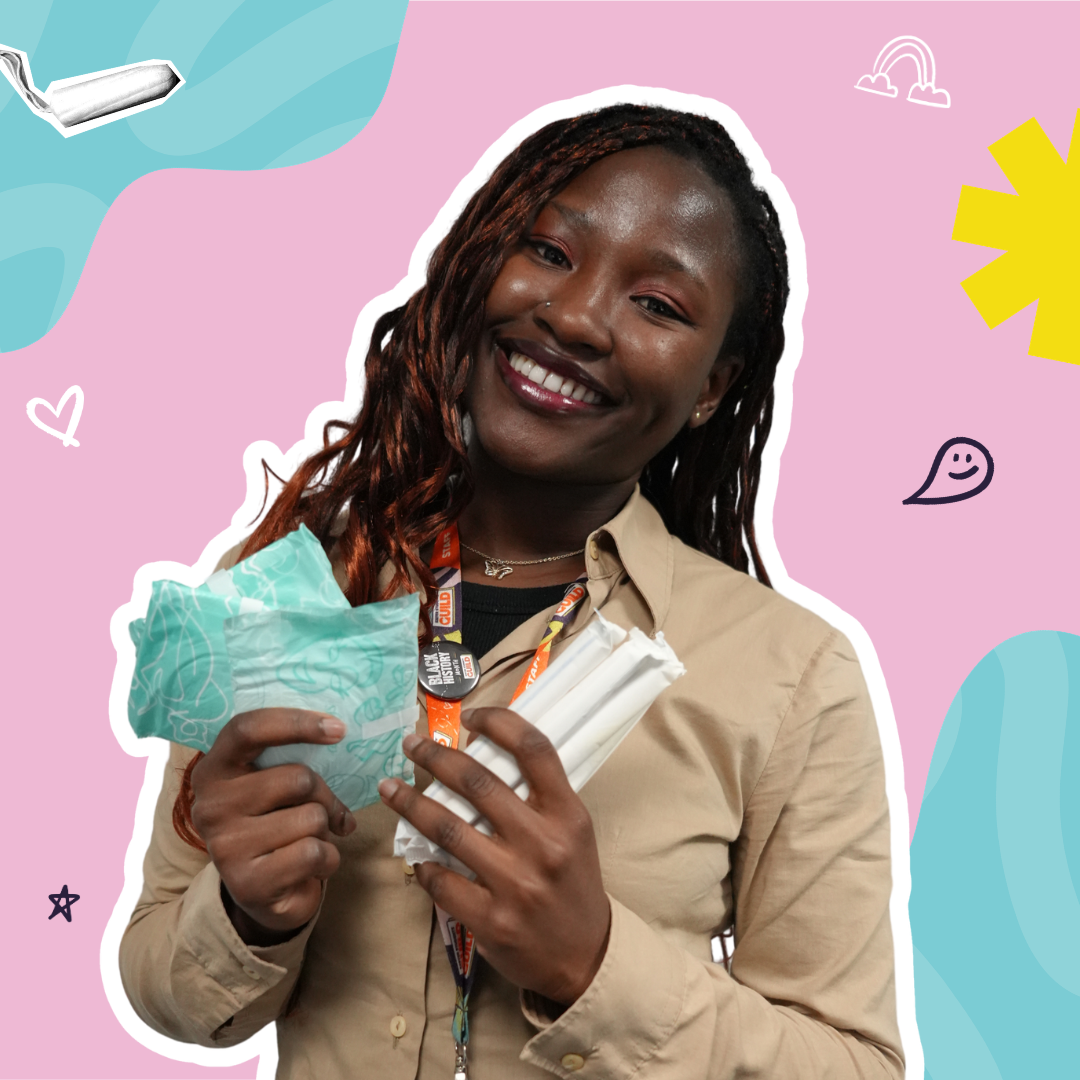

Have you ever woken up in the morning in intense pain, only to realise it’s menstrual cramps? The kind of pain that forces you to reach for paracetamol before you even attempt to get out of bed. If you menstruate, this has probably happened to you perhaps on a day with a 9am lecture, or worse, during exam season. And still, you carry on.
That’s what we’ve been taught to do. It’s just “period problems.” “It happens to all of us.” So we power through. We get to uni. We sit the exam. This is how we’ve been conditioned to view menstrual crises: as something to endure quietly, even during the most crucial moments of our academic lives.
My attention was first drawn to this issue during a visit to Leeds Students’ Union, where one of their officers was working on endometriosis awareness. While that work is vital, it made me reflect on menstruation through a broader lens. Menstrual crises can happen at any time, and many related medical conditions take over seven years to diagnose. During that time, students who menstruate are left largely unsupported, expected to simply accept the system as it is.
This led me to start researching the issue more deeply. A few weeks earlier, HEPI released a survey on how menstruation impacts students, and the findings were unsurprising. Over 70% of respondents reported being negatively affected by their periods whether that meant missing lectures or sitting exams while unwell. And when we consider the symptoms like brain fog, severe abdominal pain, diarrhoea, these are often dismissed as “normal” menstrual experiences.
This is why I am doing this work: to improve menstrual awareness within universities and to create policies and systems that support students who menstruate, particularly during high-pressure periods such as exam season, when the impact is most severe.
Policy implementation is the core aim. Stating this clearly matters. It is both empowering and reassuring to know that student wellbeing is valued here at Exeter.
Currently, we have a seven-day self-certified mitigation process, which is helpful for longer assessments. Mitigation policies also allow students to submit supporting evidence from GPs, Pastoral Mentors, or Wellbeing services to request further extensions. While this system works to a certain extent, the lack of explicit recognition of menstrual-related issues discourages students from coming forward, particularly when the impact is a one-off or short-term.
Additionally, there are no streamlined processes in place to reduce the administrative burden on students, often resulting in a system that feels bureaucratic and emotionally exhausting to navigate.
In contrast, during in-person exams, there are currently no specific provisions for students experiencing a menstrual crisis on the day itself.
Some of the solutions I am proposing include introducing invigilator toolkits and training, so staff are better equipped to support students in exam halls. This would reduce the hesitation many students feel about coming forward and help build trust that they will be treated with understanding and dignity.
Support could look like:
- Extra time
- Seating closer to bathroom facilities
- A supervised break, where appropriate
- Access to a menstrual healthcare pack (such as stick-on heat patches or reusable hand warmers)
These measures could be implemented during both in-person and 24-hour exams.
Some may argue that if students who menstruate receive this kind of support, then everyone should. But menstruation is a longstanding structural equity issue which has silenced generations. Menstrual cramps are unpredictable and unavoidable, and experiencing them during exams with no available support can be deeply disheartening.
As the HEPI survey highlighted, students have missed lectures they cannot get back, and lost time that cannot be recovered. Addressing this issue is not about special treatment. It is about fairness, equity, and recognising a reality that has been ignored for far too long. That is why we are urging you to share your experience and how better you could be supported in your studies regarding this issue.
Fill in this survey to contribute to making change.